













Breakthrough: Functional Eggs Created from Human Skin Cells — What It Means for Fertility
🔬 What’s happened?
In September 2025, researchers at Oregon Health & Science University (OHSU) announced that they successfully created “functional” human egg cells – or oocytes – from adult human skin cells.
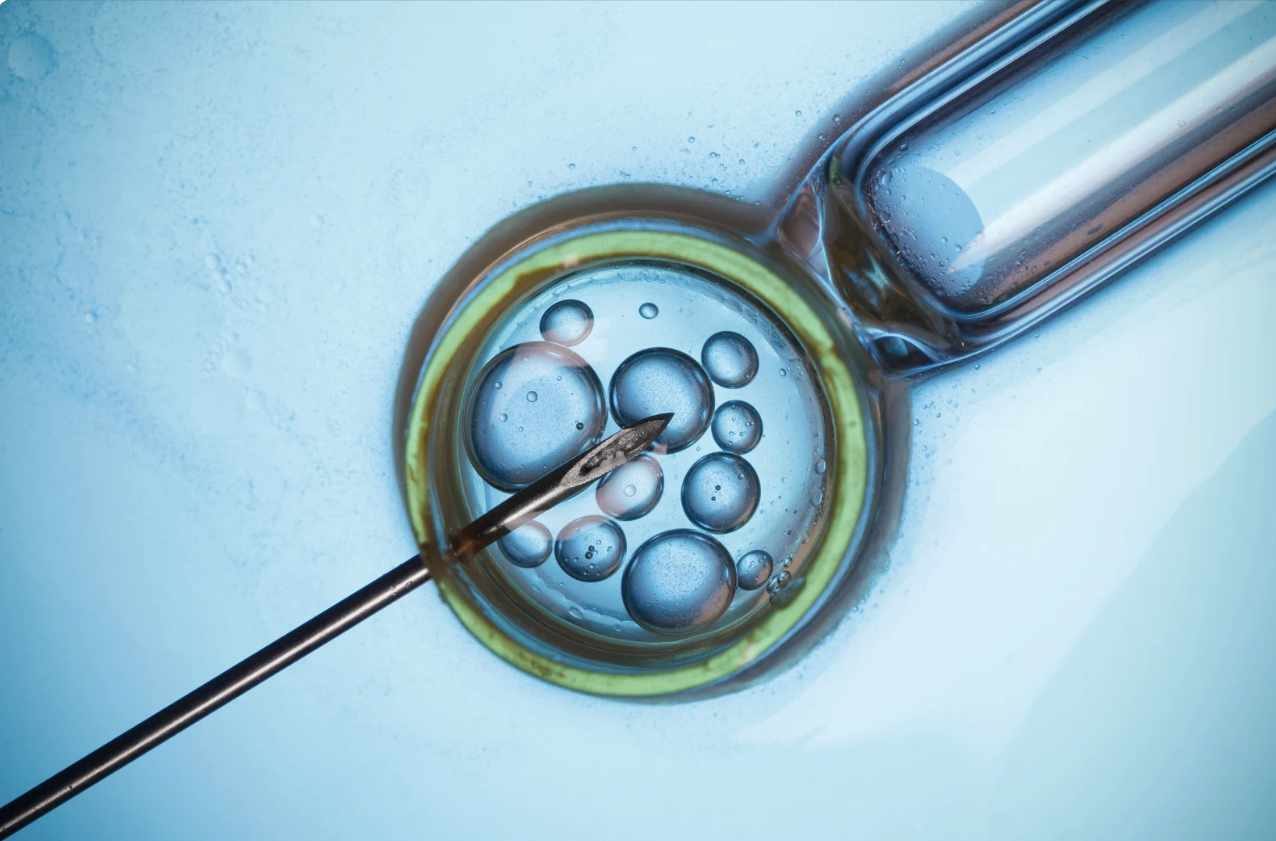
The process, described in the journal Nature Communications, involves replacing the empty nucleus of a donor egg with the nucleus from an adult skin cell – a method similar to somatic cell nuclear transfer (SCNT), the cloning technique first used for Dolly the sheep.
Then, using a special procedure (including a chemical called roscovitine, plus other stimulations), the reconstructed egg is induced to discard one set of chromosomes – reducing from the normal 46 chromosomes (in a skin cell) down to 23, which is required for fertilizable human eggs. This artificial process is referred to by the researchers as “mitomeiosis.”
After fertilization with sperm in the lab:
-
Out of 82 lab-generated eggs, a small portion developed into early embryos.
-
About 9% reached the blastocyst stage (the stage at which embryos are typically transferred in IVF).
-
However, these embryos currently carry chromosomal abnormalities or random chromosome pairing – meaning none are yet viable for safe clinical use.
In short: this is a proof-of-concept – a major scientific milestone, but not yet ready for clinical application.
🌱 Why This Is a Big Deal
This breakthrough potentially reshapes what fertility care could look like in the future:
-
It could provide new options for people who cannot produce viable eggs – for example, women with premature ovarian failure, those who underwent chemotherapy, or others with compromised ovarian reserve.
-
It might offer new hope to same-sex male couples who want genetically related children – because, in principle, skin cells from a male could be reprogrammed into eggs, which then can be fertilized with sperm from the other male partner.
-
It expands the broader field of in vitro gametogenesis (IVG) – the lab-based generation of gametes (eggs or sperm) from non-reproductive adult cells. If perfected, IVG could revolutionize fertility medicine.
Many experts consider this a “potential future game-changer.” As noted by reproductive medicine specialists, the ability to generate new eggs from adult cells would represent a major advance in fertility treatment and reproductive options.
⚠️ Challenges & Why It’s Not Ready Yet
Despite the promise, the technique still has major hurdles:
-
Low efficiency: only about 9% of lab-generated eggs developed into blastocysts; the vast majority failed or showed chromosomal abnormalities.
-
Chromosome abnormalities and random pairing: many of the reconstructed eggs did not correctly pair chromosomes, which would likely prevent healthy development.
-
Long path to clinical use: Researchers themselves say that significant improvements, safety validation, and regulatory/ethical review are required – it may be a decade or more before this could be used in fertility clinics.
-
Ethical, legal, and societal considerations: As this technology could one day enable same-sex couples or individuals without eggs to have genetically related children, it raises complex ethical and regulatory questions.
In other words: this is a groundbreaking proof, but it’s only the first step – much research remains necessary before this becomes a safe, effective treatment option.
🌐 What This Means for IVF, Cryogenic Transport & Global Fertility Care
As these advanced scientific methods emerge, the landscape of fertility care continues to evolve. For patients, clinics, and transport providers, this research suggests future shifts:
-
Demand for cryogenic transport and cross-clinic coordination may increase, especially if lab-derived eggs become part of fertility programs.
-
Transport and storage protocols will need to remain at the highest standard – temperature stability, chain-of-custody, and documentation will matter even more.
-
Legal and regulatory frameworks across countries will need to adapt if in vitro gametogenesis (IVG) becomes available. This underscores the importance of compliance, transparency, and ethical oversight for clinics and logistics partners.
-
Clinics and patients may require new forms of counselling and informed consent when using lab-created gametes.
For global fertility logistics services like ours, this breakthrough emphasises the need to stay at the forefront of scientific developments, and to maintain the quality and trust needed when transporting sensitive biological materials.
💡 Final Thoughts
The creation of human eggs from skin cells marks a landmark moment in reproductive science – potentially opening doors for people who previously had no options.
But it’s important to remember: this is still early – a proof-of-concept. As the researchers themselves caution, many challenges remain before this could become a safe, clinical reality.
Still, it’s a hopeful sign – and a reminder that fertility care is evolving rapidly. As technology advances, and as cryogenic and transport protocols remain stringent, the future may offer even more possibilities for those hoping to build a family.
Sources & References
-
Oregon Health & Science University (OHSU) – Official press release on generating functional human egg cells from skin cells (Sept 30, 2025). : https://news.ohsu.edu/2025/09/30/ohsu-researchers-develop-functional-eggs-from-human-skin-cells
-
Nature Communications – Research describing the SCNT-based creation of functional oocytes and induced chromosome reduction (“mitomeiosis”). : https://www.nature.com/ncomms/
-
Reuters – Scientists create early-stage human embryos from lab-made egg cells (Sept 30, 2025). : https://www.reuters.com/business/healthcare-pharmaceuticals/