













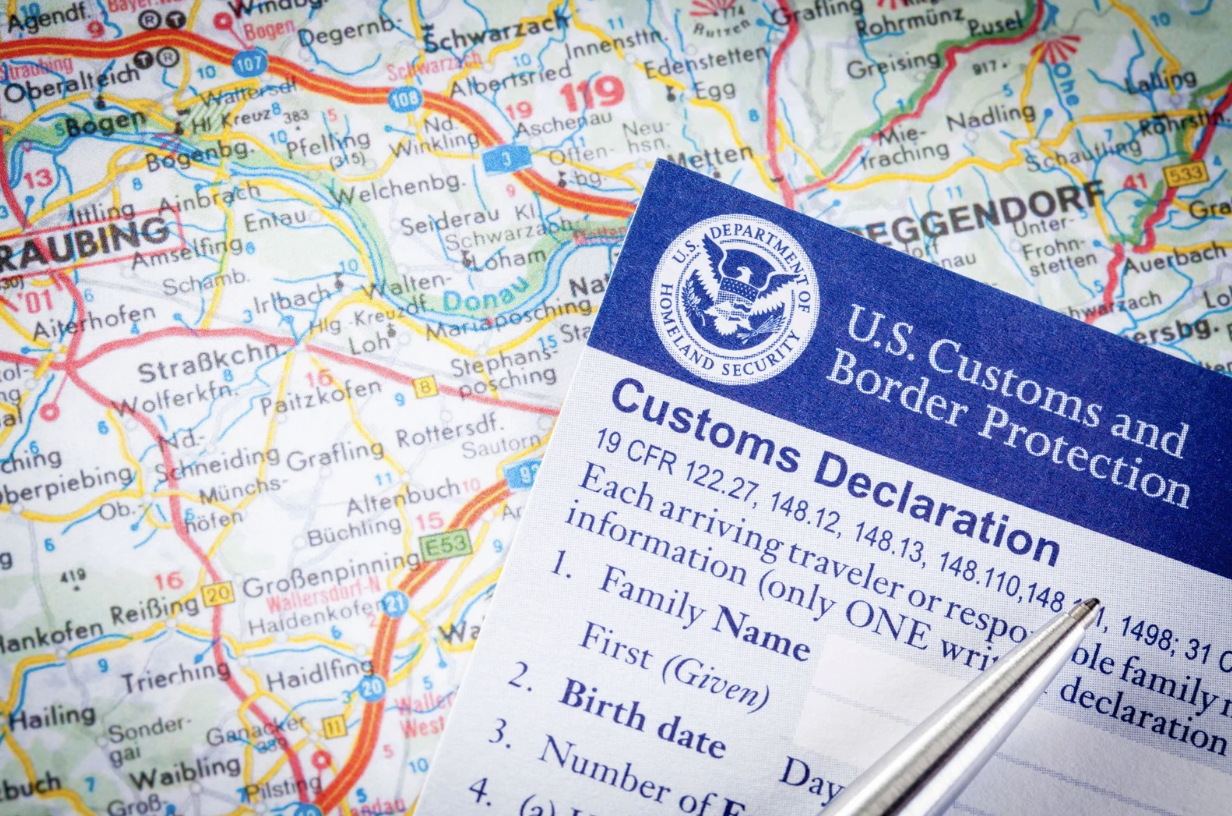
U.S. Customs Update: Formal Entry Now Required for All Reproductive Cell Imports
International reproductive transport requires strict regulatory compliance at every stage. Due to recent changes in U.S. regulations regarding the de minimis rule, all reproductive samples entering the United States now require a Formal customs entry.
At IVF Couriers, we have implemented structured procedures to ensure uninterrupted, compliant entry for embryos, oocytes, and sperm transported into the U.S.
This article explains what has changed and how we are managing the process.
Background: Suspension of the U.S. De Minimis Exemption
Effective August 29, 2025, the United States suspended the long-standing de minimis exemption for low-value imports.
Previously, certain goods valued under $800 could enter the country without formal customs entry under Section 321. Following this suspension, all imports are subject to standard customs processing requirements requiring the use of a Licensed Customs Broker.
While this policy initially focused on commercial cargo, enforcement practices have expanded. As a result, reproductive biological materials entering the U.S. are now processed through formal customs entry procedures.
What This Means for Embryos, Oocyte, and Sperm Imports
All reproductive samples entering the United States now require:
- Formal customs entry filing
- Licensed U.S. Customs Broker involvement
- Associated customs processing fees
This applies regardless of shipment value or method of transport, including hand-carried medical courier cases.
Although reproductive cells are not commercial goods, they are regulated imports and must now be declared and processed accordingly.
IVF Couriers’ Compliance Structure
To ensure seamless entry into the United States, IVF Couriers has established a direct working relationship with licensed US Customs Brokers.
For all U.S. – bound cases, we now:
- Coordinate formal customs entry prior to arrival
- Submit required documentation through appropriate channels
- Ensure compliance with U.S. Customs and Border Protection (CBP) procedures
- Manage broker coordination to reduce clearance delays
This structured approach allows us to maintain continuity and minimize disruption to treatment timelines.
Additional Customs Charges
- Broker Filing Fees
- Customs processing Fees
- Customs Duties
These charges are not imposed by IVF Couriers, but are incurred due to mandatory regulatory entry process under the recently updated U.S. Trade laws and as such are separate to our exclusive hand carry transport fees..
We communicate this cost transparently during case planning and try to ensure there are no unexpected expenses at the time of arrival.
Moving Forward
U.S. Customs requirements continue to evolve in response to broader trade policy adjustments. For example Section 122 imposing additional duties on most commodities including reproductive cells, went into force on Feb 24th. While many states have now filed suit against this in the Court of International Trade, until a decision is reached, compliance is being enforced and duties will be collected by U.S. Customs.
IVF Couriers remains committed to:
- Full legal compliance
- Structured customs coordination
- Transparent communication
- Protection of patient timelines
If you are planning to import reproductive cells into the United States and would like clarification on documentation or customs procedures, our team is available to guide you through the process.
Regulatory preparation is part of responsible reproductive transport.