













At IVF Couriers, our work sits at the very start of so many family-building journeys – carrying the embryos, eggs, and sperm that carry people’s hopes. That vantage point means we pay close attention to the science shaping reproductive health, not just the logistics of moving specimens safely. A new study published this month is one worth sharing with our community.
What the study looked at
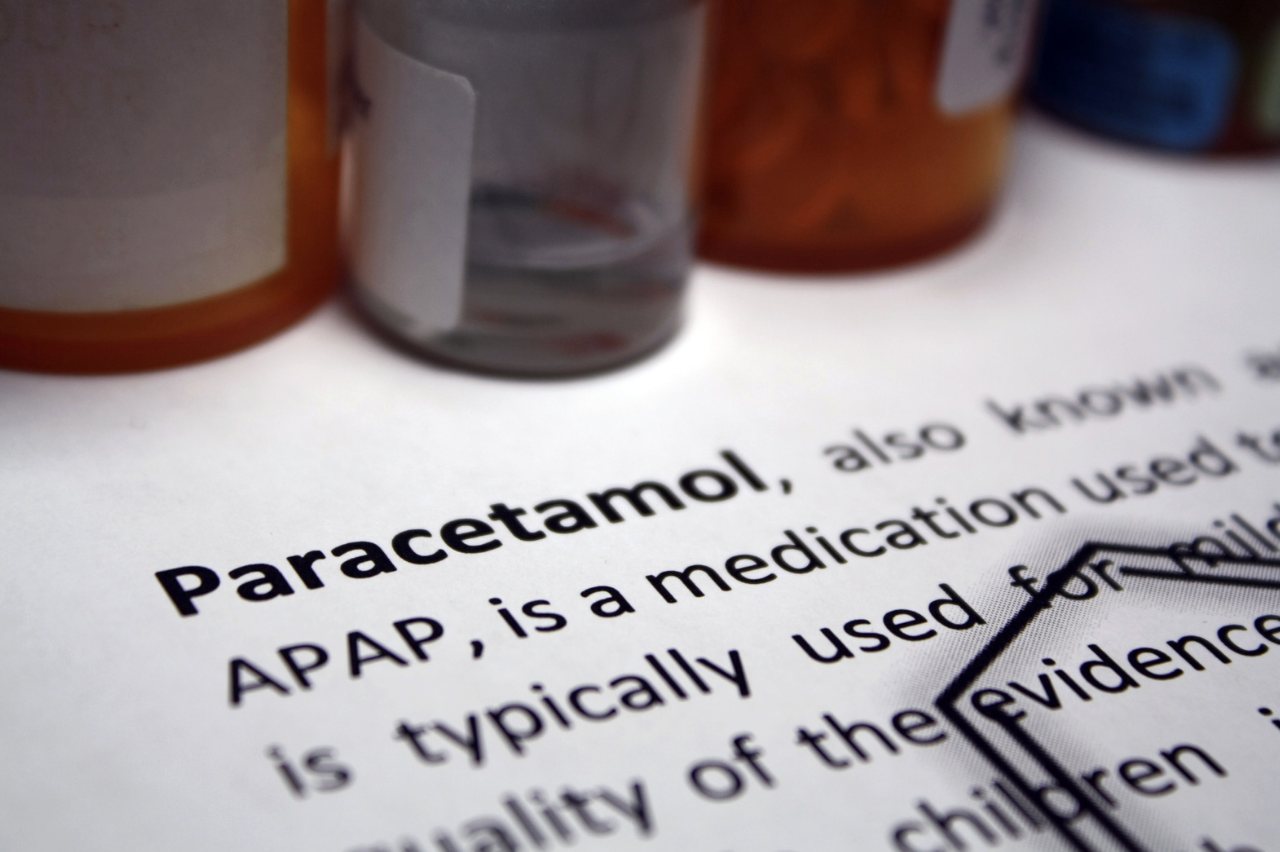
Researchers behind the Copenhagen Analgesic Study (COPANA), published in Human Reproduction Open in September 2026, set out to examine a question that matters to expectant parents everywhere: could taking paracetamol (acetaminophen) during pregnancy affect a developing baby girl’s reproductive system?
Paracetamol is one of the most widely used pain and fever medicines in pregnancy, often considered a first-choice option when something is needed. That very ubiquity is what makes studying its long-term effects so important.
The team followed 302 girls, assessing paracetamol exposure in the womb through a combination of mothers’ own reports and measurements of biomarkers in urine – a more rigorous approach than relying on memory alone. They then examined markers of early ovarian and uterine development in the infant girls.
What they found
The study reported several associations between prenatal paracetamol exposure and markers of reproductive development:
- Girls exposed in early fetal life (before 17 weeks) tended to show slightly reduced ovarian and uterine volume.
- Those exposed later in pregnancy (from 17 weeks onward) showed, on average, a small reduction in the number of ovarian follicles.
- Girls exposed exclusively in early pregnancy showed somewhat lower levels of anti-Müllerian hormone (AMH), a marker often used to estimate ovarian reserve.
Importantly, the researchers went a step further and looked at a larger confirmatory group of more than 1,200 adolescent girls, which supported the same pattern of modestly reduced ovarian and uterine volumes.
What it means – and what it doesn’t
This is where careful reading matters. The COPANA study is an observational study, which means it can identify associations but cannot, on its own, prove that paracetamol causes these differences. The authors are clear that establishing cause and effect would require further research.
Just as importantly: this study is not a reason to avoid paracetamol in pregnancy. Untreated high fever and significant pain during pregnancy carry their own well-documented risks, and paracetamol remains a medicine that clinicians recommend in many situations. The measured, responsible takeaway is not “stop,” but “use thoughtfully and with guidance” – taking the lowest effective dose for the shortest time needed, and making these decisions together with a doctor or midwife who knows the full picture.
For anyone who is pregnant or planning a pregnancy, that conversation with your own healthcare provider is always the right next step. No blog post is a substitute for personalised medical advice.
Why we’re sharing this
Research like this is a reminder of how early, and how quietly, reproductive health takes shape – often long before anyone is thinking about fertility at all. For the intended parents, clinics, and partners we work with every day, staying informed is part of feeling in control of a journey that can otherwise feel uncertain.
We’ll keep bringing you the developments that matter, explained plainly and honestly. Because protecting what’s precious – whether it’s a scientific finding worth understanding or an embryo travelling across the world – is what we’re here for.
This article summarises published research for general information and awareness. It is not medical advice. If you have questions about medication during pregnancy or your fertility, please speak with a qualified healthcare professional.
Reference: Fischer MB, Mola G, Sundberg K, et al. “Fetal exposure to paracetamol is associated with altered markers of ovarian development and reduced uterine volume in girls: the COPANA study.” Human Reproduction Open, Volume 2026, Issue 3, 8 September 2026. DOI: 10.1093/hropen/hoag073. Available at: https://academic.oup.com/hropen/article/2026/3/hoag073/8787665